 29 March 2026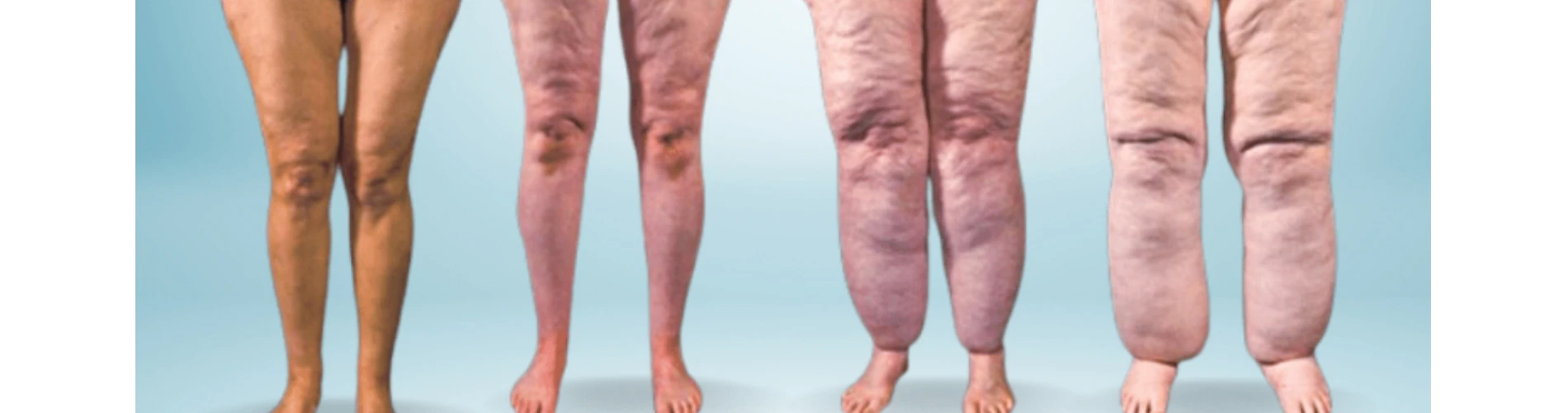
What Is Lipedema? Symptoms, Causes, and Treatment Options
Lipedema is a chronic and progressive fat distribution disorder that primarily affects women. It is characterized by a symmetrical buildup of fat, usually in the legs and sometimes in the arms. Although it is often mistaken for weight gain or obesity, lipedema is a distinct condition and is notably resistant to diet and exercise.
What Are the Symptoms of Lipedema?
The most common symptoms of lipedema include:
- Disproportionate fat accumulation in the legs (especially hips, thighs, and around the knees)
- Feet are typically not affected (an important distinguishing feature)
- Tenderness and pain in affected areas
- Easy bruising
- A feeling of heaviness or swelling that worsens throughout the day
- Areas that do not slim down despite diet and exercise
These symptoms may worsen over time and significantly impact quality of life.
What Causes Lipedema?
The exact cause of lipedema is not fully understood, but several factors are believed to contribute:
- Hormonal changes: It often appears during puberty, pregnancy, or menopause
- Genetic predisposition: It tends to run in families
- Gender factor: The condition almost exclusively affects women
Difference Between Lipedema and Obesity
Lipedema is frequently confused with obesity, but there are key differences:
- Fat distribution in lipedema is symmetrical and usually limited to the legs
- Obesity involves overall body fat increase
- Lipedema fat is resistant to diet and exercise
- Pain and tenderness are common in lipedema, but not typical in obesity
How Is Lipedema Diagnosed?
Lipedema is usually diagnosed through a clinical examination. A healthcare provider evaluates medical history and physical signs. In some cases, additional tests may be performed to rule out other conditions.
Treatment Options for Lipedema
Although lipedema cannot be completely cured, its symptoms can be managed effectively. Treatment options include:
1. Conservative Treatments
- Compression garments
- Manual lymphatic drainage (MLD)
- Regular exercise (especially swimming and walking)
- Anti-inflammatory diet
2. Surgical Treatment
In more advanced cases, liposuction may be considered. This procedure can help remove lipedema fat tissue and reduce pain.
Living with Lipedema
Lipedema can be physically and emotionally challenging. A multidisciplinary approach is important for managing the condition. Support groups, physical therapy, and psychological support can improve overall well-being.
Conclusion
Lipedema is often underdiagnosed but manageable with early detection and proper care. If you notice symptoms, it is important to consult a healthcare professional. With the right approach, it is possible to improve quality of life and manage the condition effectively.